Smooth flooring transitions do more than stop stubbed feet. They instruction stream, tie rooms collectively, and shelter edges from put on. Whether you're mixing hardwood into tile at a kitchen threshold or carrying luxury vinyl plank down a hallway that meets carpeted bedrooms, the tips at that seam will both announce themselves each time you walk by using or disappear into the movement of the gap. Getting it good requires forethought, an effective read on constituents, and a stable hand for the duration of deploy.
Where transitions work, and wherein they fall apart
Most buildings call for a minimum of three ground kinds. Kitchens and baths ask for tile or another water trustworthy surface. Living spaces want warm temperature underfoot, most of the time hardwood or engineered alternatives. Bedrooms tolerate tender surfaces. The friction takes place at the entrance, at a extensive commencing between areas, or alongside a peninsula where one floor meets an additional at an angle. Common failure features are predictable. A height difference of more than three to 4 millimeters with out a deliberate ramp creates a lip that catches socks and vacuum heads. A sloppy cut, even if hidden by using a T molding, leaves edges vulnerable to chipping. An overly stark fabric swap at a extensive cased establishing could make a residence suppose chopped up, even when the supplies themselves are appealing.
I even have walked into buildings the place the known suite door opens to a hardwood hall and a bright white marble bath, however the threshold is a raw, jagged line barely blanketed by a sparkly aluminum strip. That strip is absolutely not the downside by means of itself, however the mistaken length and shade announce the compromise. On any other hand, I actually have stepped into kitchens the place the hardwood planks precisely picture frame the tile container with a stained reducer that suits the ground, and also you best discover the exchange if you happen to give up to contemplate it.
Plan transitions on paper, not on demo day
Transition important points could be fastened all the way through the layout phase, no longer left to area improvisation. Two numbers drive every little thing. First, the comprehensive heights of every subject matter, such as underlayment, thinset, adhesive, heating mats, and the flooring itself. Second, the width of the hole or seam in which the substances meet.
When making plans a protection, chiefly once you are bearing in mind radiant ground heating in a tub or mudroom, you will have to account for the extra increase that heat cables and self leveling compound convey. A conventional electric mat with self leveling cement can upload 3 to 6 millimeters sooner than tile. That is enough to make a T molding take a seat proud or power a steep reducer that looks amateurish. If you design toward a single aircraft by making a choice on a thinner tile or a lessen profile heat technique, the done transition can also be flush and essentially invisible. If you is not going to make the heights suit, specify the precise reducer, shade, and finish you choose. Avoid leaving it at “we are able to discern it out.”
In open idea vs. average layouts, the function of the transition alterations. With titanic sight traces, you desire the seam to enhance zones with no starting to be a visible fence. In conventional plans with doorways and narrower openings, you will be bolder with a described saddle or a wood threshold. Neither procedure is inherently desirable. The key's to treat the transition like a design element, no longer a patch.
Material conduct subjects extra than advertising names
Hardwood, engineered picket, tile, stone, LVP, laminate, cork, bamboo, carpet, every one expands and contracts at its possess tempo. Wood based items go with humidity, peculiarly across the width of a board. Porcelain tile slightly strikes at all as soon as set. These behaviors set the law for a way near you would carry one to the other.
At Revive 360 Renovations, we insist on expansion gaps anywhere a floating floor meets a inflexible floor. If a floating LVP locks onerous in opposition t a tile part, seasonal swelling will push up a tent alongside the seam. That tent may perhaps seem months after the installer has packed up, however it's the direct result of an unforgiving transition. We keep a 6 to ten millimeter gap at that interface, then canopy it with a well sized T molding or a flush spline detail if the peak makes it possible for. The same common sense holds whilst hardwood boards run parallel to tile. The hardwood wishes respiratory room, whether or not the joint appears to be like tight on day one.
Tiles introduce their very own part specifications. A fresh tile part ought to be protected with a profile trim, fantastically at a doorway with the intention to see vacuum wheels and puppy paws. Metal area profiles like a square stainless or a colour matched aluminum became component to the performed look. Plastic trims can paintings, but they scratch and yellow turbo. If the finances enables, decide upon the steel profile that harmonizes with your furniture. The main points line up with out shouting.
Four transition codecs that persistently work
Some transitions appearance properly in graphics and fail within the area. Others home remodeling chicago continue to exist a long time of foot site visitors. These 4 techniques have verified official across styles and budgets.
- Flush reducer: Best for small peak changes, characteristically three to 8 millimeters. A hardwood flush reducer slopes lightly down to satisfy a thinner drapery like tile or LVP. It reads as section of the wooden flooring and would be stained to fit. T molding: Designed for equivalent peak surfaces, exceptionally where one aspect is floating. The T rides over the space, facilitates circulation, and creates a narrow, managed line. When shade matched and sized thoroughly, it disappears. Square profile with shadow line: Ideal for smooth areas with good tolerances. Both flooring end flush, separated via a consistent 3 to six millimeter shadow line, in the main created with a metal profile. It is tidy and architectural. Threshold or saddle: Works at doors and wet room entries. Stone or wooden saddles define the damage and secure edges. They are greater visible, which could be a function in classic properties.
Each of these formats has editions, however the concept is constant. Respect top and motion, judge a profile that belongs to probably the most parts, and deliver that choice by way of the house so the language stays constant.
Color and grain, the silent persuaders
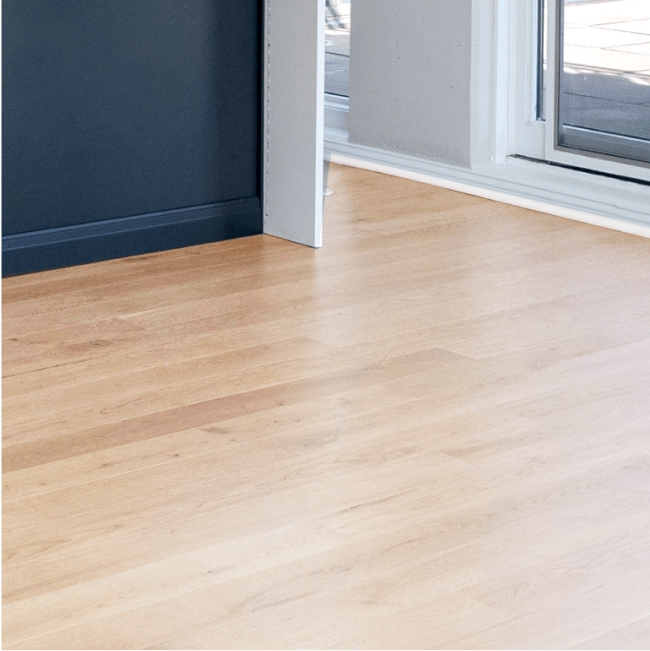
When two supplies meet, your eye reads comparison first: easy to darkish, matte to gloss, gentle to textured. If the transition lands among a walnut ground and a brilliant ceramic, a white or chrome part will intensify the difference. That might be lovely if the relax of the palette supports it. If the goal is quiet, settle on a transition aspect that fits the dominant box. On hardwood to tile joints, a wooden reducer stained to the hardwood shade visually stretches the plank discipline into the brink, then we could the tile take over. The seam drops away.
Grain course plays a position. I choose to run picket planks into an opening, then cut them immediately and sq. so the conclusion grain paperwork a clean line. The tile then “tucks” to that part. It looks intentional and eliminates tiny slivers of tile that chip. If the room dictates tile first, opposite the logic. Establish a sq. tile discipline side with a profile, then scribe the wood to that line with some added boards on web site for attempt fits. Either approach, you prioritize complete portions on the seam rather then thin rips.
The floating ground seize, and how you can keep it
Floating flooring think convenient until eventually you hit a threshold. They need constant expansion gaps and prefer continuous fields to broken, chopped components. In long hallways that feed varied bedrooms, the fabulous resolution is normally to hold the floating product by means of the usual field and quit on the doorways, then use T moldings into carpet or tile. It is tempting to not easy glue a floating plank at a troublesome seam to lock it in position. That shortcut will fail. The glued plank will not transfer with the leisure of the field, and the pressure will discover a weak joint countless ft away.
In a apartment retrofit, we hooked up a cork floating floor in the residing and dining quarter. It met a porcelain kitchen tile at a 9 foot establishing. The purchaser desired no transition strip. We created a flush, move tolerant joint via surroundings the tile on a thinner membrane, bringing it to the identical top as the cork, and installation a recessed metallic profile with a slight lip to canopy the enlargement hole on the cork area. The joint remained refreshing and silent as a result of two winters and humid summers since the cork may perhaps nevertheless breathe lower than the profile.
Wet rooms, mudrooms, and the query of containment
Any area that commonly sees water deserves a higher boundary. A low saddle at a bathroom door forces drips to prevent and protects flooring outdoor the room. Curbless showers complicate this by using design, but the tub access nevertheless blessings from a planned break. In Chicago’s weather, the place slush comes in on boots half the yr, mudroom transitions earn their avert. I opt for a durable porcelain within the mudroom with both a stone saddle or a thick picket reducer into the adjacent hallway. The wood reducer holds up to grit more beneficial than a thin T molding. Combine that with a prime first-rate doormat and a drain you probably have the hazard in the course of production. You acquire familiar practicality without sacrificing form.
Structure beneath the floor, the hidden fulfillment factor
Transitions stay merely as well as the subfloor lower than them. If one facet rides on a patchwork of ancient plank subfloor and the other on fresh plywood, you are going to combat telegraphing and differential jump. On immense remodels, we routinely take some time to resheet the overall stage with the related underlayment thickness, then feather in self leveling compound at planned transitions. That prep takes a day, usually two, and bills a number of money a square foot, yet it can pay to come back each time a door clears the seam smoothly or a chair glides throughout with no catching.
Floor leveling will become mandatory when you have bold tile patterns assembly wooden, like a herringbone that runs into a directly lay plank. Even a 2 millimeter dip telegraphs on the joint lower than raking mild. The first-rate installers cost with a 6 foot straightedge, mark highs and lows, and tackle them sooner than any conclude textile goes down. It will not be glamorous work, but it sets the stage for a polished conclude.
When to apply a function border
Feature borders lend a hand transitions disappear into a much broader composition. A slim band of contrasting picket, laid perpendicular to the foremost subject, can act as a frame that gets the tile. You see this in older residences with inlay paintings close to fireplaces and access doors. A today's model uses a single species border, stained moderately darker, as a standard photograph body around a tile hearth or kitchen region. This technique hides micro irregularities at the seam, due to the fact the border assumes the role of the break. It additionally aids upkeep later. You can cast off and exchange the tile in the body devoid of irritating the foremost wooden box.
Temperature swings and seasonal circulate, fantastically in the Midwest
In cities like Chicago, humidity swings from arid in January to swampy in July. Wood flooring reply. That is why the quality time of yr to rework your property in Chicago, whenever you need the most steady examine on timber circulate, is shoulder season. Spring and fall mean you can acclimate wooden closer to the midpoint of its expansion diversity. If you place a cushty wooden to tile joint in the driest week of winter, that joint can shut too tightly in summer. Transitions that contain a shadow line or a bendy profile take in this shift. If your agenda forces a winter deploy, elevate the enlargement gap a bit and lean on a disguise profile. It feels careful inside the moment and reasonable a year later.
Practical ordering and sequencing on site
Installation order things. Tile first, picket 2nd is the default in kitchens and baths, considering that the tile units the water line and is much less forgiving. If you are making use of a steel area profile, deploy it with the tile so the intensity is locked in. Then bring the wood to it. If you desire a flush timber reducer, mill and finish it earlier than you start the sphere, dry are compatible it at the edge, then get rid of it at the same time you lay the leisure. You evade final minute sanding and stain close to clean tile.
During preconstruction, bring together samples of each floor drapery, their underlayments, and the selected transition profiles. Stack them on a flat surface to check comprehensive heights. Write the surely measurement on each one sample. This basic endeavor prevents the such a lot trouble-free mistake: assuming nominal thicknesses will upload up as the company claims. Thinset thickness varies with trowel measurement and installer methodology. Floating floors from extraordinary manufacturers labeled 6.5 millimeters can fluctuate by way of well-nigh a millimeter. That change displays at a threshold.
A quick area list for easy transitions
- Confirm performed heights with factual samples, such as adhesives and underlayments. Decide the transition profile, shade, and end before ordering floor. Plan circulate gaps the place timber or floating floors meet inflexible components. Place transitions under door facilities whilst it is easy to for visual alignment. Level subfloors and feather edges previously conclude install.
How Revive 360 Renovations systems intricate seams
On higher projects with countless flooring styles, Revive 360 Renovations creates a transition plan as a separate drawing. It suggests where each and every seam takes place, the profile for use, and the exact dimensions at each starting. We mark door centers and casing widths so installers hit the visible heart with the seam, no longer two inches off in view that the drywall is crooked. We also assign obligation. Tile units first with profiles in region, then hardwood is available in in the back of. If LVP is specific, we shift to T moldings or shadow traces that hold the floating area. This gets rid of guessing and maintains the web site relocating.
A up to date townhome redesign covered wide plank white alrightin living spaces, porcelain inside the kitchen and baths, and wool carpet in bedrooms. The customer desired quiet, uninterrupted strains. We accomplished this by bringing the tile and o.k.to the same peak with a thinner membrane beneath the tile and a barely thicker underlayment beneath the all rightwhere needed. At the kitchen establishing, a rectangular stainless profile created a four millimeter shadow line. At the bedroom doorways, low okaysaddles stained to healthy the ground furnished a tidy lip in opposition t carpet. Eighteen months later, the seams continue to be invisible until you cross on the search for them.
Slab buildings and basements have their very own rules
Concrete slabs trade the mathematics. Sweat from the slab can loosen adhesives and deform wooden if now not addressed. When transitioning from tile set on a slab to engineered timber, make a choice a moisture outstanding underlayment and test the slab. If moisture readings are high, think of floating engineered timber with a equipped in vapor barrier in preference to glue down. That possibility impacts the transition profile. You now want a T molding or a profile that makes it possible for stream at the wooden aspect. In basements, where many house owners want durable ground with heat, luxury vinyl plank to tile is a popular pairing. Keep the vinyl’s expansion hole constant at the tile area and elect a reducer so as to now not raise with converting humidity.
Stair noses and landings, the lost sight of cousins of transitions
Where a hallway meets a staircase, the stair nostril is the transition. If you modify floor style on the exact step, the nosing could belong to the top ground cloth for a coherent area. Switching supplies mid landing can paintings if the touchdown visually belongs to the cut down degree, however it aas a rule reads as a mistake. We wish to run the identical species and finish throughout the landing and down the 1st tread. It creates a easy line and saves you from a half of inch lip wherein carpet attempts to meet wood on a bullnose.
If you will have to deliver carpet to a timber stair nostril, use a waterfall edge on the carpet that tucks tight underneath the nose devoid of a metal tack strip noticeable at the major. That aspect holds up to site visitors and looks intentional.
Design purpose first, then check control
You can plan a dwelling house maintenance on a funds and nevertheless obtain elegant transitions, but do no longer commence by using browsing the cheapest trims. Decide how you prefer the seam to appear, then to find the so much payment robust way to reach that appearance. A colour matched T molding from the comparable LVP brand may cost a little greater than a wide-spread aluminum strip, but it may mix with the plank and circumvent telegraphing the seam. The difference in subject material price at five thresholds might be a couple hundred funds. The big difference in perceived exceptional is lots increased.
Hidden costs of house transforming pretty much cover in small misses that strength transform. A botched transition can require slicing out a row of tile or forums, remaking a reducer, and repainting adjacent trim. Protect your self with true measurements, early choices, and somewhat of contingency inside the agenda.
Seasonal construction schedules and occupant comfort
If you're residing with the aid of a redesign, minimizing disruption incorporates smart sequencing around transitions. We most often go away door thresholds as the last piece of a ground phase so that you can hold applying rooms correctly. Temporary ramps created from taped plywood strips evade trips when there's a top distinction before reducers go in. Warn movers and delivery teams about unfinished seams. A dolly wheel throughout a uncooked tile area can chip a corner in a 2d.
The most useful time to schedule remaining sanding and marking of hardwood, should you are matching reducers to a website completed flooring, is in fact dusty paintings is total but before installation the transition profiles that touch tile. Stain and finish cross in a different way than factory comprehensive forums, so that you desire a smooth surroundings to get a fair sheen at the ones top visibility edges.
Coordination with doors, cabinets, and outfitted ins
Doors dictate transition placement. The top of the line seam sits immediately beneath the closed door so every single room owns its subject matter. If an opening lacks a door, align the seam with the centerline of the casing. That reads smooth. If developed ins, like a mudroom bench or a kitchen island, go an meant seam, reconsider the layout. Avoid seams straight away lower than toe kicks or where they disappear below casework. They are complicated to carrier and appearance unintentional while published later throughout the time of a remodel.
At Revive 360 Renovations, we contain carpenters early to make sure casing thicknesses and clearances. A thicker plinth block may enable a somewhat wider saddle that looks proportional. Conversely, a minimal sleek casing reward from a decent shadow line and a flush joint. These are small judgments that upload up to a cohesive total.
Energy effectivity, heating, and surface overall performance at transitions
Radiant surface heating complicates transitions totally on the tile edge. Do not run warm mats right into a threshold wherein a wooden reducer will sit. Heat can dry wooden rapid at the edge and encourage gaps. Keep the heated area back from the seam through at the very least two inches and mark that boundary at the surface plan. If you're settling on energy competent ingredients standard, understand that cork and a few underlayments insulate. Where you desire warm to move upward efficaciously, make a selection a low R importance underlayment under tile. Where you choose warmness underfoot with out heating, cork can add alleviation in bedrooms and workplaces and still meet cleanly at a reducer.
When the seam itself will become the feature
Some residences lean into ambitious transitions. A patterned cement tile inset in a wooden floor at a kitchen or bar can define a quarter with a flourish. Two tone wooden borders can echo cupboard finishes. If you go this direction, devote. Center the trend, align grout joints with plank edges wherein you may, and avert the field sq.. Poor alignment at a featured seam stands out some distance greater than at a quiet one. Take the time to dry lay the development and assess it against sight strains.
Quality assurance after installation
Before you name a floor carried out, stroll each transition with a coin and a flashlight. The coin will to find lips you leave out along with your hand. The flashlight, held at a low angle, exposes lippage in tile and gaps under profiles. Listen as you step across. A hollow click less than a reducer alerts a weak glue bond. Catching it for the period of punch saves a carrier stopover at. Note how vacuum and mop heads move over the joints. If they seize, the profile is simply too tall or the slope too steep. The therapy is probably as basic as planing a picket reducer and touching up the finish.
A moment short listing, this time for home owners all over consultations
- Bring all ground samples in your reworking consultation, such as trims. Ask for a transition plan drawing that suggests profiles and heights. Confirm how floating flooring will transfer at each and every seam. Discuss seasonal flow expectancies in your climate. Request mockups for any characteristic borders or shadow line tips.
The ultimate judgment, and what remains invisible
The pleasant transitions grow to be a non tournament. You experience a steady route underfoot. You sparkling devoid of snagging. Your eye strikes from one room to the subsequent without stuttering, even if the elements swap person. That quiet self belief comes from small, specified decisions and a recognize for a way constituents behave over time. Pay cognizance to accomplished heights early, preserve edges with right profiles, and decide upon a visible language you may repeat for the time of the home.
When our groups at Revive 360 Renovations review project footage a 12 months later, we glance closely at thresholds and vast openings. They tell us if our planning held as much as day-to-day use, if growth gaps did their task, and if the profiles we particular elderly well. The maximum pleasant graphics are the ones in which it's miles not easy to look what we did at all. The rooms breathe, the floors operate, and the transitions do their work quietly inside the heritage.